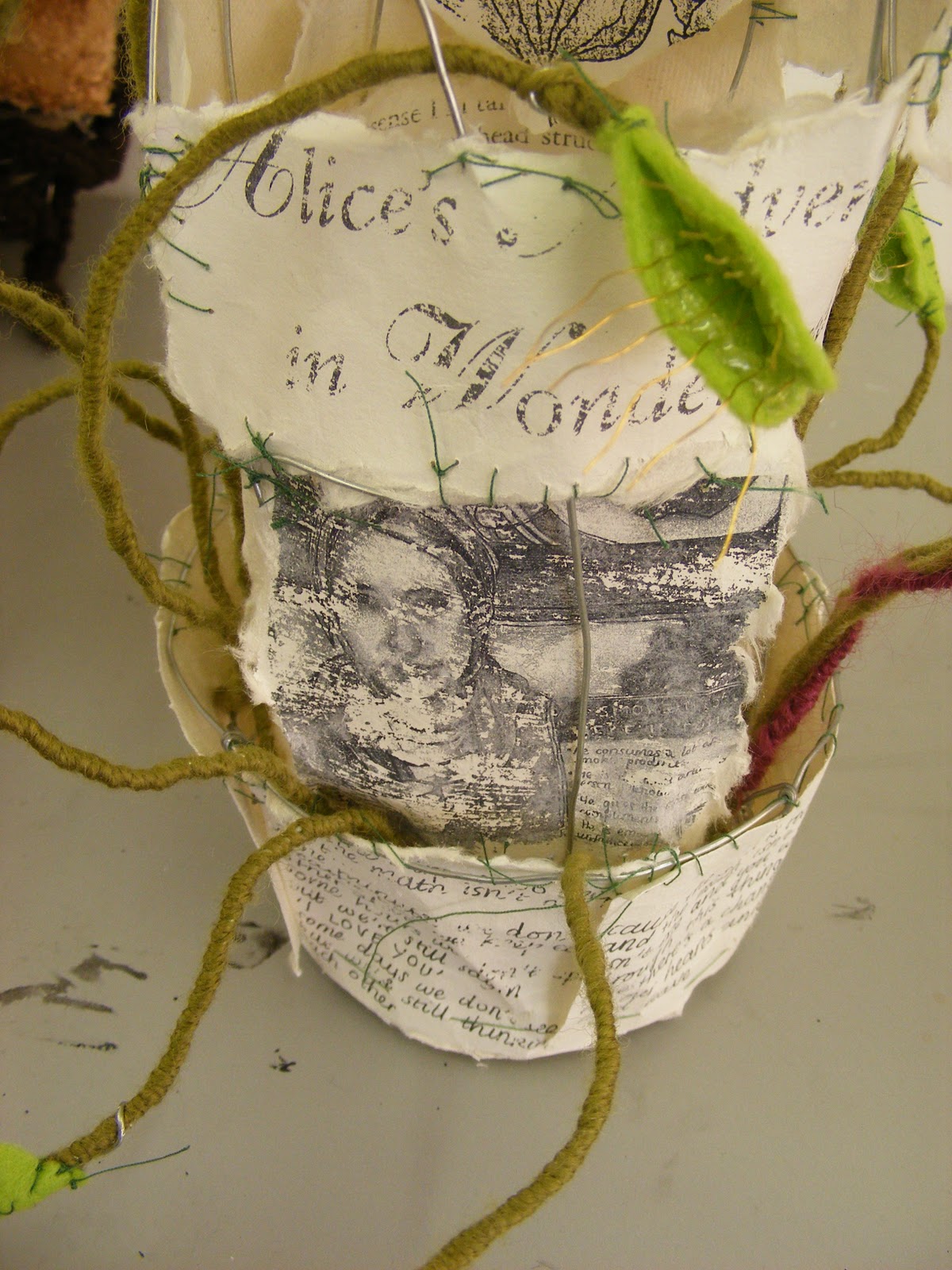
In this radio debate three professionals discuss modern illustration and its role in society with presenter Adrian Shaughnessy.
To begin with, Shaughnessy introduces illustration as an important practice that saturates the modern market- in 'books, magazines, billboards, TV channels, the internet...' etc. This should, perhaps, be an obvious point. Yet I can understand the need to outline its quite dominant presence in modern culture as people still seem to have a narrow range of uses for it in mind when you mention the word to them. Often, when I tell people I do illustration, they will immediately think of images in books or tattoos, where it is expected that stereotypically skillful drawings/paintings are revered.
He also mentions its vulnerable position in the industry- 'assailed on all sides' by technology, suggesting it is struggling to find its place in the digital revolution. I think this is debatable depending on the style the illustrator chooses to adopt. Flicking through illustrations on websites/in art books and it is easy to assume that many people choose to embrace a bland, strongly graphics influenced approach, relying heavily on digital methods (photoshop/illustrator etc) to create the imagery. Ironically, this style seems to have become so common and undistinguishable that clients are increasingly searching for illustrators who choose to reject the strong influence of digital practises, reverting back to more traditional 'hand-made' methods of creating their work.
Is illustration too 'arty'?
After being asked to define modern illustration, the interviewees came up with a range of responses, largely failing to be concise (it is so hard to be definitive about!)- it is a hybrid of many forms (different mediums), contains core meanings/substance, it's a visual language, it's storytelling, it's going through a transition period, it's confusing for people to know what to do with it, it's a discipline/way of thinking rather than just the manner of working.
Illustration='Illuminate' a text visually. But does it have to originate from a text? Beyond that, illustration is a conceptual practise.
Illustrators would like to own the origin of the thought, but cannot work commercially without accepting the outside ideas that the work is a response to. So much contradiction.
Commercially, clients 'capitalise on the superficial qualities of the work.' Although, the strongest work is often the work that has a deeper connection between the content and its appearance. Is illustration's 'Achilles heel' that it is based on visual style? Can it not impart meaning? Is it always about the visual?
The answer?
No, because in good illustration, the image is driven by the content- 'The content describes the form that it takes.' Illustrators 'augment abstract ideas', solving problems for their clients.
To begin with, Shaughnessy introduces illustration as an important practice that saturates the modern market- in 'books, magazines, billboards, TV channels, the internet...' etc. This should, perhaps, be an obvious point. Yet I can understand the need to outline its quite dominant presence in modern culture as people still seem to have a narrow range of uses for it in mind when you mention the word to them. Often, when I tell people I do illustration, they will immediately think of images in books or tattoos, where it is expected that stereotypically skillful drawings/paintings are revered.
He also mentions its vulnerable position in the industry- 'assailed on all sides' by technology, suggesting it is struggling to find its place in the digital revolution. I think this is debatable depending on the style the illustrator chooses to adopt. Flicking through illustrations on websites/in art books and it is easy to assume that many people choose to embrace a bland, strongly graphics influenced approach, relying heavily on digital methods (photoshop/illustrator etc) to create the imagery. Ironically, this style seems to have become so common and undistinguishable that clients are increasingly searching for illustrators who choose to reject the strong influence of digital practises, reverting back to more traditional 'hand-made' methods of creating their work.
Is illustration too 'arty'?
After being asked to define modern illustration, the interviewees came up with a range of responses, largely failing to be concise (it is so hard to be definitive about!)- it is a hybrid of many forms (different mediums), contains core meanings/substance, it's a visual language, it's storytelling, it's going through a transition period, it's confusing for people to know what to do with it, it's a discipline/way of thinking rather than just the manner of working.
Illustration='Illuminate' a text visually. But does it have to originate from a text? Beyond that, illustration is a conceptual practise.
Illustrators would like to own the origin of the thought, but cannot work commercially without accepting the outside ideas that the work is a response to. So much contradiction.
Commercially, clients 'capitalise on the superficial qualities of the work.' Although, the strongest work is often the work that has a deeper connection between the content and its appearance. Is illustration's 'Achilles heel' that it is based on visual style? Can it not impart meaning? Is it always about the visual?
The answer?
No, because in good illustration, the image is driven by the content- 'The content describes the form that it takes.' Illustrators 'augment abstract ideas', solving problems for their clients.